


Emergency Communication Strategies: Tips and Tools to Stay Connected When It Matters Most

When disaster strikes or unexpected situations arise, staying connected is not just important—it can be lifesaving. I’ve seen firsthand how effective communication can make a huge difference in managing crises. Whether you’re an individual, a business, or part of a response team, having the right strategies and tools in place is essential. Let’s explore practical ways to ensure your communication lines stay open when it matters most.
Understanding Emergency Communication Strategies
Emergencies come in many forms: natural disasters, power outages, network failures, or remote location challenges. In these moments, traditional communication methods like cellular networks can fail or become overloaded. That’s why having a clear emergency communication strategy is critical.
An emergency communication strategy is a plan that ensures you can send and receive messages during a crisis. It involves choosing the right tools, knowing how to use them, and having backup options ready. The goal is simple: stay connected no matter what.
Why Communication Fails in Emergencies
Cellular networks often get overwhelmed during disasters. Towers may be damaged, or power may be out. Satellite phones can help but might have limitations like signal delay or cost. Understanding these weaknesses helps you prepare better.
Key Elements of a Good Strategy
Multiple communication methods: Don’t rely on just one system.
Failover options: Automatic switching to backup systems when the primary fails.
Training and drills: Practice using your tools before an emergency.
Clear protocols: Know who to contact and how.

Satellite phones provide reliable communication when cellular networks fail.
Essential Tools for Emergency Communication
Choosing the right tools depends on your needs, location, and budget. Here are some of the most effective options I recommend based on experience and reliability.
Cellular Phones with Failover Capabilities
Modern smartphones, both Apple and Android, are essential for everyday communication. But in emergencies, their usefulness depends on network availability. Some devices and services offer failover options that switch to alternative networks or satellite links when cellular signals drop.
For example, Apple’s iPhone models now include Emergency SOS via satellite, allowing users to send messages even without cellular coverage. This feature can be a lifesaver in remote areas or during disasters.
Satellite Phones and Hybrid Systems
Satellite phones connect directly to satellites orbiting the Earth, bypassing ground networks. This makes them invaluable when cellular towers are down.
One standout product is the Iridium satellite phone. Iridium offers global coverage, including polar regions, making it a top choice for remote communication. Its network of 66 low Earth orbit satellites ensures a strong signal almost anywhere.
Another option is hybrid systems that combine cellular and satellite communication. These systems automatically switch between networks to maintain connection. They are ideal for businesses and emergency responders who need constant connectivity.
GPS and Messaging Devices
Devices like Garmin inReach combine GPS tracking with two-way satellite messaging. They allow users to send texts, share locations, and trigger SOS alerts. This is especially useful for outdoor enthusiasts, remote workers, and rescue teams.
Comparing Three Popular Emergency Communication Devices
To give you a clearer picture, here’s a comparison of three reliable products that cover different needs:
| Feature | Apple iPhone Emergency SOS | Garmin inReach | Iridium Satellite Phone |
|-----------------------|----------------------------|------------------------|--------------------------|
| Communication Type | Cellular + Satellite | Satellite Messaging | Satellite Phone |
| Coverage | Limited satellite coverage | Global satellite | Global satellite |
| Messaging | SOS text only | Two-way text | Voice and text |
| GPS Tracking | No | Yes | No |
| Ease of Use | High | Moderate | Moderate |
| Ideal For | Casual users, travelers | Outdoor adventurers | Remote workers, responders|
Each device has strengths. The iPhone’s Emergency SOS is great for casual users who want a backup in emergencies. Garmin inReach offers more features for those needing GPS and messaging. Iridium phones provide the most reliable voice communication globally.
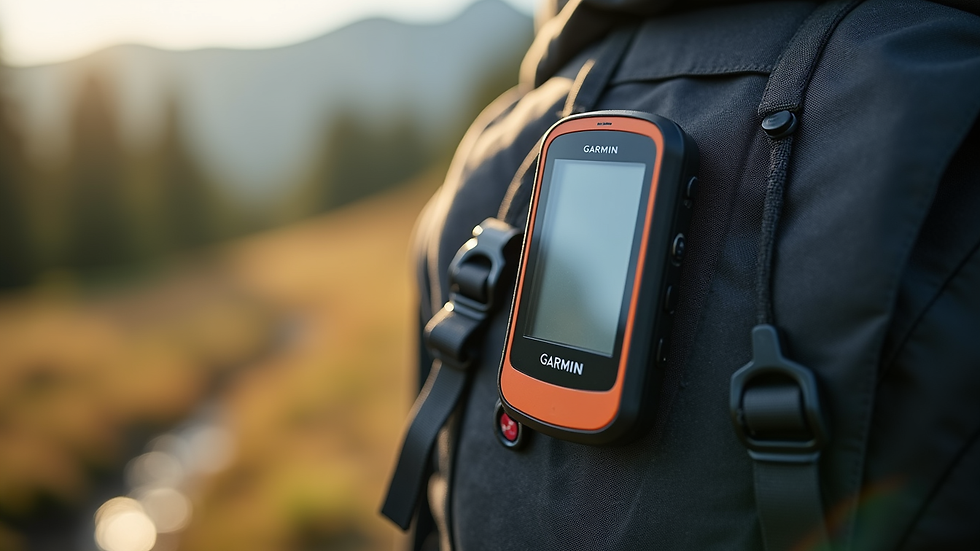
Garmin inReach combines GPS tracking with satellite messaging for remote communication.
Practical Tips to Build Your Emergency Communication Plan
Having the right tools is only part of the solution. You also need a plan that fits your situation.
1. Assess Your Risks and Needs
Think about where you live or work. Are you in an area prone to hurricanes, wildfires, or floods? Do you travel to remote locations? Your risks will guide your choice of tools.
2. Choose Multiple Communication Methods
Don’t rely on just one device or network. Combine cellular phones with satellite devices or hybrid systems. This way, if one fails, you have a backup.
3. Keep Devices Charged and Ready
Power outages are common in emergencies. Use portable chargers, solar panels, or car adapters to keep your devices powered.
4. Learn How to Use Your Equipment
Practice sending messages, making calls, and triggering SOS alerts. Familiarity reduces stress during real emergencies.
5. Establish Clear Contact Protocols
Make a list of emergency contacts and share it with your family, team, or coworkers. Decide who will communicate what information and when.
6. Use Failover Services
Some providers offer failover services that automatically switch your connection to satellite if cellular fails. This ensures continuous communication without manual intervention.
How Businesses and Emergency Responders Can Benefit
For businesses and emergency teams, communication is critical to coordinate efforts and keep everyone safe. Investing in hybrid communication systems that combine cellular and satellite networks can prevent costly downtime.
For example, a company operating in remote areas can equip its teams with Garmin inReach devices for location tracking and messaging, while also providing Iridium satellite phones for voice communication. This layered approach ensures no one is left out of the loop.

Emergency teams rely on a mix of communication tools to stay connected in challenging environments.
Staying Connected with All Roads Connect
In my experience, having reliable equipment and services is the foundation of any emergency communication strategy. That’s why I recommend checking out All Roads Connect, a provider that offers a wide range of communication solutions including cellular, satellite, and hybrid systems.
They focus on ensuring everyone stays connected no matter how challenging the environment is. Their products come at competitive prices, making it easier to build a strong communication plan without breaking the bank.
Final Thoughts on Emergency Communication
Emergencies are unpredictable, but your communication plan doesn’t have to be. By understanding the strengths and limits of cellular, satellite, and hybrid communication tools, you can prepare for any situation.
Remember to combine multiple methods, keep your devices ready, and practice your plan regularly. Whether you choose an Apple iPhone with Emergency SOS, a Garmin inReach, or an Iridium satellite phone, the key is to stay connected when it matters most.
Take the time today to review your communication options and build a plan that works for you. Staying connected can save lives and reduce the chaos when disaster strikes.
This article is for informational purposes only and does not replace professional emergency planning advice.
Comments